

The Hidden Risk in Used Oil Handling and Why Structured Oil Waste Collection Protects Your Business
Used oil is not just a byproduct of industrial activity. It is a regulated material with environmental, financial, and legal implications that many organizations underestimate. From automotive workshops and manufacturing plants to marine facilities and food production units, improper handling of used oil can expose a business to compliance violations, soil contamination, fire hazards, and long term liability.
At Rogue Waste Recovery, we approach oil waste collection services as a risk management discipline rather than a simple pickup service. Our role is to help clients implement structured, compliant, and traceable oil waste handling systems that protect both operations and reputation.
The Real Cost of Informal Oil Disposal
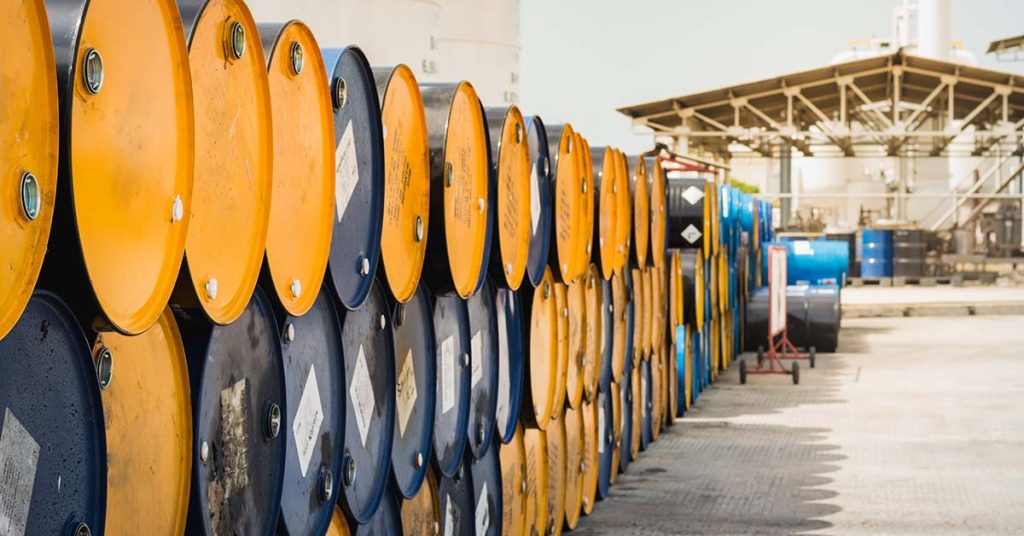
Many businesses still rely on fragmented processes for managing used oil. Drums are stored without secondary containment. Collection schedules are irregular. Documentation is incomplete. These gaps may seem minor, but they create measurable exposure.
Used oil often contains heavy metals, hydrocarbons, and other contaminants. If storage containers leak or are improperly labeled, regulatory agencies can impose significant fines. More importantly, contamination of soil or stormwater systems can trigger costly remediation requirements and potential civil liability.
Oil waste collection is therefore not just about removal. It is about designing a defensible compliance framework.
A Structured Approach to Oil Waste Collection
Our methodology focuses on five core pillars:
1. Waste Stream Identification
Every facility generates oil waste differently. Engine oil, hydraulic oil, compressor oil, and oily water mixtures each have unique handling and regulatory requirements. We begin by mapping waste streams so that collection protocols align with the specific material generated.
2. Secure Containment Systems
We advise on proper storage containers, labeling, and secondary containment. This reduces the risk of accidental spills and ensures readiness for inspection. Proper segregation of oil from other hazardous or non hazardous waste streams is also critical.
3. Scheduled Collection and Volume Management
Irregular pickups increase overflow and storage risks. We establish predictable collection schedules based on generation rates. This stabilizes operations and prevents emergency disposal scenarios, which are often more expensive and less controlled.
4. Regulatory Documentation
Manifest records, transport documentation, and disposal certificates must be accurate and accessible. We maintain thorough documentation to help clients demonstrate compliance during audits or inspections. This administrative discipline is often the difference between a smooth inspection and a costly enforcement action.
5. Environmentally Responsible Processing
Collected oil should be directed toward approved recycling or reprocessing facilities whenever feasible. Responsible downstream management reduces environmental impact and supports circular resource use.
Industry Specific Considerations
Oil waste collection services must adapt to the realities of each industry:
• Automotive service centers require rapid turnaround and spill control in confined spaces.
• Manufacturing plants often generate mixed waste streams that demand careful segregation.
• Marine and transportation facilities must manage high volumes while preventing runoff into waterways.
• Food production sites may combine lubricant waste with strict sanitation requirements.
We customize collection protocols to fit operational constraints without compromising compliance.
Spill Prevention and Emergency Readiness
A truly comprehensive oil waste strategy includes contingency planning. Facilities should maintain spill kits, staff training, and clear reporting procedures. Rapid response limits environmental damage and reduces liability exposure.
Our oil waste collection services integrate preventive guidance so that clients are not only reacting to waste generation but actively reducing incident probability.
Sustainability and Corporate Responsibility
Environmental stewardship is no longer optional. Investors, regulators, and customers expect measurable accountability. Proper oil waste collection demonstrates responsible resource management and reduces greenhouse gas emissions associated with improper disposal.
When used oil is collected and processed correctly, it can be refined and reused. This conserves raw materials and supports sustainable industrial practices.
Why Expertise Matters
Oil waste management involves regulatory interpretation, logistics coordination, environmental science, and risk mitigation. A generalized waste hauler may remove material, but without a structured compliance framework, businesses remain exposed.
At Rogue Waste Recovery, we align our oil waste collection services with operational efficiency, regulatory precision, and long term environmental responsibility. We view ourselves as compliance partners who help organizations build defensible waste management systems.
A Proactive Investment in Protection
Oil waste is inevitable in many industries. Environmental penalties and contamination events are not. A disciplined, well documented oil waste collection program protects assets, safeguards personnel, and strengthens regulatory standing.
By implementing structured oil waste collection services, businesses move from reactive disposal to proactive environmental governance. That shift is not simply operational. It is strategic.